

I still remember the first time I made sourdough English muffins—it was one of those weekend afternoons when I wanted a cozy, nourishing breakfast without resorting to the usual toast or cereal. I was surrounded by the quiet hum of my kitchen, a warm jar of my bubbly sourdough starter nearby, and a craving for something a little more comforting. As I pulled my first batch of homemade sourdough English muffins from the skillet, the smell of that fermented dough was unlike anything else—earthy, a bit tangy, and so inviting.
What really surprised me was how these sourdough English muffins fit seamlessly into my day-to-day eating without feeling restrictive or overly complicated. They’re the kind of recipe that works for busy mornings yet feels special enough for weekend brunches with friends. Plus, they have that perfect English muffin texture—crispy on the outside with those delightful nooks and crannies inside that hold butter and jam like little wells of yum.
I love that these muffins let me embrace the natural goodness of sourdough fermentation, giving my meals a wholesome boost while keeping ingredients simple. It’s this balance between nourishing food and real-life ease that makes homemade sourdough English muffins a staple in my kitchen. If you’re a fellow home cook looking for a delicious recipe that fits your lifestyle, I think you’re going to love the journey with this one.
What’s even better? You don’t have to be a sourdough pro to try this. I’ve found that the magic is really in embracing the natural process and giving yourself permission to enjoy the imperfect, delicious results. So, grab your starter, and let’s dive into making sourdough English muffins that feel as good as they taste.
What You’ll Need:
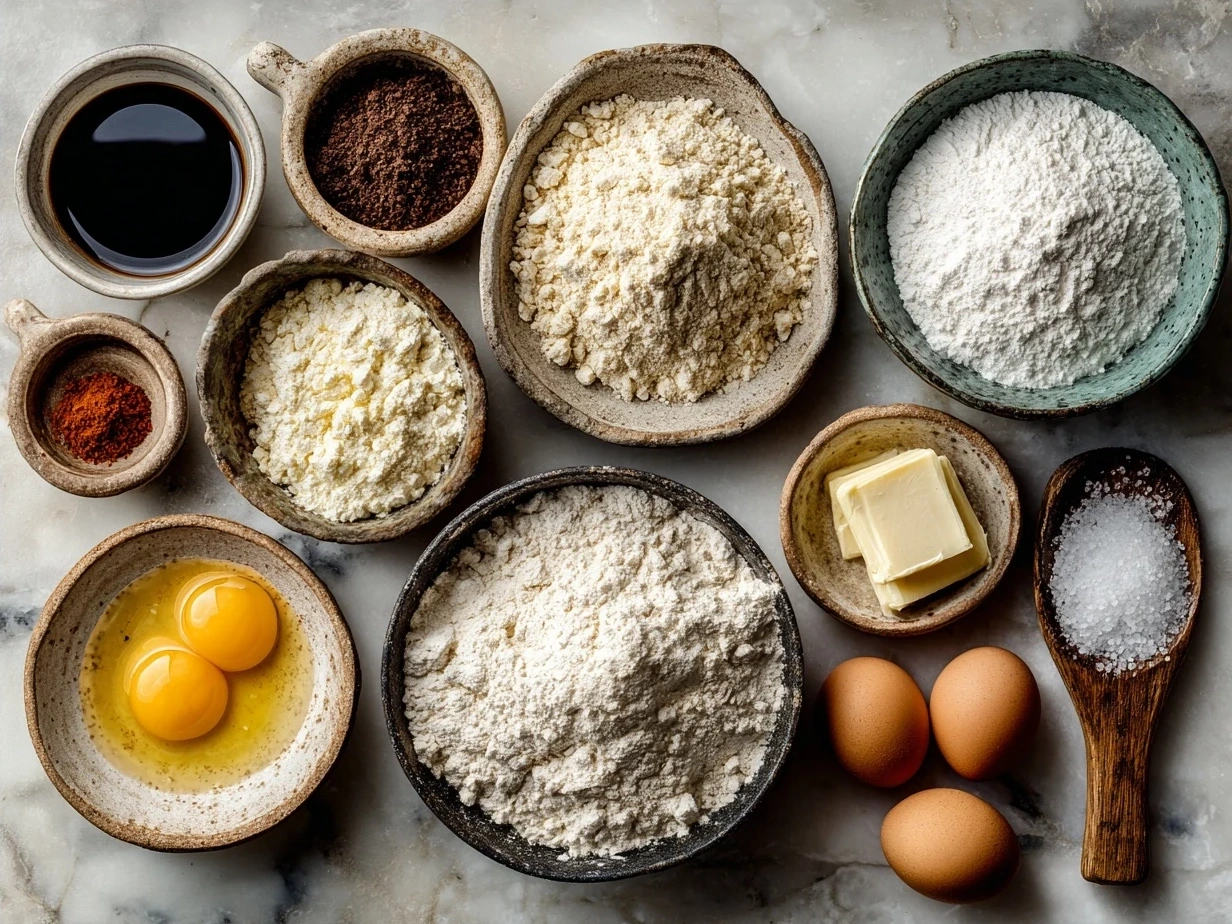
- 1 cup bubbly sourdough starter (active, unfiltered)
No stress if you don’t have this on hand—you can start your own sourdough starter recipe or even visit this soft & puffy sourdough English muffins recipe for helpful tips. - 3/4 cup whole milk, lukewarm
I often swap this for almond or oat milk for a dairy-free option that still plays nicely with the fermented dough. - 2 tablespoons melted butter (or olive oil)
Adding a bit of fat keeps the muffins tender and rich. You can easily skip this for a lighter version. - 1 tablespoon honey or maple syrup
This touch of sweetness helps the yeast along but isn’t overpowering. - 2 1/2 cups all-purpose or bread flour
I sometimes replace half the flour with whole wheat or spelt for extra depth and fiber. This keeps costs low too since basic AP flour is very budget-friendly. - 1 teaspoon salt
Salt balances the flavor just right.
This ingredient list for sourdough English muffins is intentionally simple—because good food doesn’t need to be complicated. You can find most of these in your regular grocery store, so no last-minute specialty shop runs.
If you’re short on time, here’s a kitchen tip: keep your sourdough starter in the fridge to slow down fermentation between bakes, and warm your milk just before starting so you can get going quickly.
For leftover sourdough English muffins, I like to slice and freeze them individually, so whenever the craving for toasted sourdough muffins hits, I have a quick, nourishing breakfast ready in minutes.
Let’s Make It Together!
- Mix your starter and milk. In a large bowl, combine your bubbly sourdough starter with lukewarm milk. This is where your fermented dough starts to come alive. The texture should be slightly thick but pourable.
- Add butter and honey. Stir in melted butter (or olive oil) and honey. This not only feeds the yeast but adds a lovely tenderness.
- Build the dough with flour and salt. Gradually add the flour and salt, mixing until everything comes together into a shaggy dough. If your dough feels too sticky, add a little more flour—don’t worry if it’s not perfect. This step is all about finding that balance between sticky and workable.
- Let it rest and ferment. Cover your bowl and let the dough rest for about 4-6 hours at room temp, or until it’s doubled in size and bubbly. This fermented dough process is where the flavor really develops. Pro tip: You can also refrigerate overnight for a slower ferment, which I often do on busy weeknights.
- Shape your muffins. Lightly flour your surface and gently roll the dough out to about 1/2-inch thickness. Using a round cutter (I like 3-inch circles), cut out your muffin shapes. Don’t worry about perfect edges; rustic is charming here.
- Final proof. Place your circles on a parchment-lined tray, cover, and let them rise for 1-2 hours until puffy.
- Cook on the griddle (or skillet). Heat a non-stick skillet or griddle over medium-low heat. Cook the muffins for about 6-7 minutes on each side until golden brown and cooked through. The smell at this point is simply irresistible.
Don’t rush; sourdough English muffins take their time, but it’s a delicious kind of patience. While they’re cooking, set the table or prep a quick side like fresh fruit or a simple cucumber feta salad to go alongside.
This process might feel new at first, but remember, your sourdough English muffins don’t need to come out looking bakery-perfect to taste amazing. It’s all about the joy of home-cooked, feel-good food.
How I Love to Serve This!

For me, sourdough English muffins become a full meal when I layer them with creamy avocado, a sprinkle of red pepper flakes, and a fried egg on top. The fluffy texture combined with the slight chewiness from that fermented dough base is heaven in every bite.
I often serve toasted sourdough muffins with a side of fresh cucumber feta salad, especially when the season’s right—thanks to flavors that balance the rich muffin with crisp, bright freshness.
These muffins also shine as the base for classic eggs Benedict or even sweet versions with almond butter and berries. On slow weekend mornings, I love inviting friends over to enjoy these with homemade jam or my favorite ginger-spiced apple holiday bake—it feels like a little celebration every time.
Leftovers? Toasted sourdough muffins make quick sandwiches, either savory with cheese and greens or sweet with nut butter and honey drizzled on top. I’ve also experimented with seasonal tweaks, adding herbs like rosemary to the dough or a sprinkle of cinnamon sugar before cooking.
If you want some more inspiration, this easy overnight sourdough English muffins recipe is a great resource packed with tips.
Common Questions Answered
Can I make sourdough English muffins ahead for meal prep?
Absolutely! I often make the dough the night before, refrigerating it for a slow ferment which deepens the flavor overnight. Once cooked, the muffins freeze beautifully—just toast them when you’re ready.
What if I don’t have all the ingredients for this sourdough English muffins?
No worries at all. If you’re out of honey, a little sugar or maple syrup works. Don’t have butter? Olive oil is a great simple swap. And if your starter is new or less active, allow extra fermentation time.
How can I adjust the flavor of my sourdough English muffins?
Try experimenting with your fermentation time; longer ferment equals tangier muffins. You can add herbs, seeds, or even a small amount of whole grain flour for extra texture and flavor.
Why are my sourdough English muffins dense?
Dense muffins often mean the dough didn’t rise enough or the starter wasn’t active. Make sure your sourdough starter recipe is bubbly and fed before you start. Also, don’t overwork the dough after shaping.
Can I use whole wheat flour only?
You can, but it tends to produce a heavier muffin. I mix whole wheat with all-purpose flour for that perfect balance.
Do I have to cook them on the stovetop?
It’s traditional and helps create that perfect crust, but you can also bake finished muffins at 375°F for 15 minutes for a different texture.
How do I get the classic nooks and crannies in my muffins?
Scoring the dough lightly before cooking and using a griddle helps develop those pockets. The natural fermentation of sourdough also contributes to the texture.
If you want more real-life cooking inspiration, check out my favorites like cucumber feta salad or these delightful cake mix cookies for easy, feel-good baking.
Final Thoughts
Sourdough English muffins have truly earned a special spot in my kitchen routine. They bring together nurturing tradition and everyday simplicity in a way that feels both indulgent and wholesome.
My favorite sourdough English muffins tips include:
1. Always use a bubbly, active starter for best rise and flavor.
2. Don’t rush fermentation; giving the dough time makes a world of difference.
3. Cooking on low heat ensures golden, evenly cooked muffins without burning.
I’ve tried adding rosemary for a savory twist, swapping some flour for rye, and even stirring in a handful of grated cheese for extra richness. The versions I keep coming back to? The classic sourdough English muffins and the lightly herbed ones.
I hope you enjoy making your own sourdough English muffins as much as I do, with all their comforting texture and real-life, nourishing goodness. Remember, this is your kitchen, your rhythm—feel free to tweak and make this recipe your own. Here’s to many mornings filled with warm, toasted sourdough muffins and good company.
For more nourishing recipes that keep life simple and tasty, you’ve got to see the ginger-spiced apple holiday bake — it pairs beautifully with your muffin mornings too.
Can’t wait to hear how your sourdough English muffins journey unfolds. Happy baking, friend!
sourdough English muffins

Delightfully tangy and chewy sourdough English muffins with a crisp crust, perfect for toasting and topping with butter or jam.
- Prep Time: 20 minutes
- Cook Time: 15 minutes
- Total Time: 5 hours 35 minutes
- Yield: 8 muffins
- Category: Breakfast
- Method: Skillet
- Cuisine: American
Ingredients
- 1 cup active sourdough starter
- 1 cup milk, warmed
- 2 tablespoons sugar
- 3 cups all-purpose flour
- 1 teaspoon salt
- 2 tablespoons melted butter
- 1 teaspoon baking soda
- Semolina or cornmeal for dusting
Instructions
- In a large bowl, mix together the sourdough starter, warmed milk, and sugar. Let sit for 15 minutes.
- Add the flour, salt, and melted butter to the mixture and stir until a dough forms.
- Knead the dough on a floured surface for about 8-10 minutes until smooth and elastic.
- Place the dough in a lightly oiled bowl, cover, and let rise for 4-6 hours or until doubled in size.
- Once risen, roll out the dough to about 1/2-inch thickness and use a round cutter to cut muffins.
- Sprinkle a baking sheet with semolina or cornmeal and place the cut muffins on it. Cover and let rest for 1 hour.
- Sprinkle baking soda evenly over the top of each muffin just before cooking.
- Heat a griddle or skillet over medium-low heat and cook muffins for about 7-8 minutes per side or until golden brown and cooked through.
- Allow muffins to cool completely on a wire rack before splitting and toasting.
Notes
For extra flavor, split and toast the muffins before spreading with butter, jam, or your favorite toppings.