
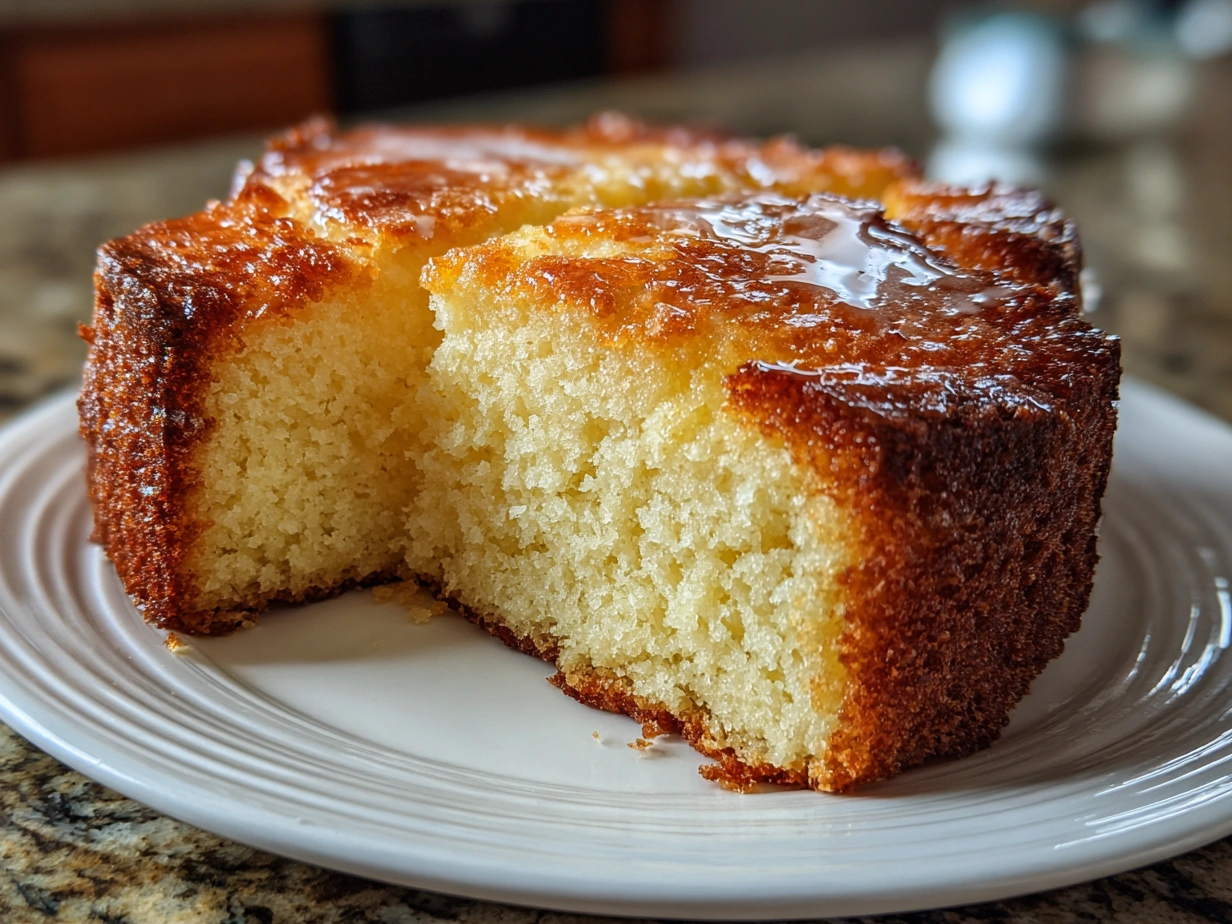
I remember the exact moment I realized French Butter Cake could be both indulgent and nourishing—and fit perfectly into my busy kitchen life. It was a quiet Sunday afternoon, the kind where the world feels a little slower, and I was craving a simple dessert that felt special but wouldn’t derail my balanced eating. French Butter Cake popped up while I was scrolling through a few recipe sites, and I thought, why not try to make a classic French cake work for everyday life? The buttery pound cake sounded rich and comforting but also manageable to whip up with ingredients I had on hand.
What struck me was how this traditional French dessert could be brought back to basics without fuss, using just a handful of staple items. No need for fancy additions or complicated steps. As I mixed the batter, I thought about how a moist butter cake like this could easily become a family favorite—something to bake for weekend breakfasts, an afternoon tea, or a cozy dessert after dinner together. And here’s the best part: it fits into a balanced lifestyle because it’s all about quality ingredients and simple techniques rather than guilt or restriction.
Since then, French Butter Cake has found its way into my routine more times than I can count. Whether I’m baking for friends or just treating myself, it’s that comforting slice that feels like a little win in the day. If you’ve been looking for a French Butter Cake recipe that feels doable and delicious, I’m excited to share mine. Let’s make this classic French cake a part of your kitchen too—because feel-good food doesn’t have to be complicated or perfect. If this sounds like your kind of baking adventure, grab a cup of coffee and stick with me. We’ll keep things simple, nourishing, and real.
What You’ll Need:
This French Butter Cake ingredient list is intentionally simple—because good food doesn’t need to be complicated. Here’s what you’ll want for a classic French butter cake recipe that’s moist, buttery, and trustworthy every time:
- 1 cup (227g) unsalted butter, softened – feel free to swap for a plant-based butter if you want a dairy-free twist
- 1 ½ cups (300g) granulated sugar – no stress if you want to cut back a bit or use coconut sugar for a slightly different flavor
- 4 large eggs, room temperature – they’re key for that buttery pound cake texture
- 2 cups (250g) all-purpose flour – sometimes I swap half for whole wheat pastry flour for more fiber without losing moisture
- 1 tsp baking powder – gives the French butter cake a gentle rise
- ¼ tsp salt – balances the sweetness
- ½ cup (120ml) whole milk, warmed – regular milk works fine, and almond milk is a fine alternative if needed
- 1 tsp pure vanilla extract – this little addition makes a big difference
Most of these ingredients you can easily find in your regular grocery store’s baking aisle, no fancy specialty shop needed. Choosing quality butter really pays off here; I often grab whatever’s on sale but never skip the real stuff because it’s the star in this traditional French dessert.
For busy days, a little kitchen tip: soften your butter in the microwave for 15 seconds rather than waiting for it to come to room temp. And once baked, leftovers keep well wrapped in plastic or airtight container at room temperature for up to 3 days—or freeze slices wrapped in foil for up to a month. This makes French Butter Cake a perfect make-ahead treat for those hectic weeks.
Let’s Make It Together!
Making French Butter Cake is one of those joyful moments where the kitchen feels warm and you can’t help but smile at the simple magic happening. Here’s how I make sure my classic French cake turns out moist and buttery every time.
- Preheat your oven to 350°F (175°C) and grease a 9×5-inch loaf pan. I love lining mine with parchment paper because it’s easiest for removing the cake later without any cracks.
- Beat the softened butter and sugar together in a large bowl until pale and fluffy. This step is so satisfying—your batter starts to turn into a creamy cloud, and that’s when you know you’re off to a good start for that moist butter cake.
- Add eggs one at a time, beating well after each addition. This helps keep your French Butter Cake batter smooth and airy.
- In a separate bowl, whisk together the flour, baking powder, and salt. Not mixing these dry ingredients well can sometimes lead to uneven rise, so give them a good toss.
- Gradually add your dry ingredients to the butter mixture, alternating with the warm milk, starting and ending with the dry mix. Stir just until combined—overmixing is a common trap that can make your pound cake tough instead of tender.
- Stir in the vanilla extract gently, and you’ll start sensing that classic French cake aroma filling your kitchen.
- Pour the batter into your prepared pan, smooth the top with a spatula, and pop it in the oven. In my kitchen, this French Butter Cake usually takes about 55 minutes to bake, but start checking around 50 by inserting a toothpick in the center—it should come out clean or with a few moist crumbs.
- Once out of the oven, let your cake cool in the pan for 15 minutes. Then, carefully transfer it to a wire rack to cool completely. This pause helps keep your French Butter Cake from getting soggy.
While your French Butter Cake is baking, it’s the perfect time to set the table or brew a fresh cup of tea. That buttery, vanilla scent wafting through your kitchen is already a little celebration. Don’t worry if your cake looks slightly cracked on top—that’s normal and even part of the charm of a homemade buttery pound cake.
If you’re curious about different takes and tips, this Ridiculously Easy French Butter Cake from The Café Sucre Farine is a nice twist with a few simple adaptations.
How I Love to Serve This!
French Butter Cake has been a staple at many of my favorite occasions—from weekend brunches to laid-back afternoon breaks. It’s flexible, easy to dress up or down, and always a crowd-pleaser.
One of my favorite ways to serve this classic French cake is with a dollop of Greek yogurt and fresh berries on top. The tangy cream balances the buttery richness perfectly, making it feel lighter and nourishing. This combo works wonderfully as a quick breakfast treat or even a simple dessert after a casual dinner.
For something a little sweeter, a drizzle of honey or homemade fruit compote adds a lovely, natural sweetness without overwhelming the cake’s buttery base. I’ve also enjoyed the French Butter Cake alongside a simple cup of coffee—a cozy pair that’s hard to beat.
This French Butter Cake feels right for celebrations too—birthdays, baby showers, or any time friends come over and you want to serve something homemade without hours in the kitchen. Present it on a nice platter, maybe dust a little powdered sugar over the top for a delicate finish, and it’s ready to impress.
Leftovers? No problem. French Butter Cake makes a delightful snack the next day, and heating it slightly in the microwave brings back that fresh-baked warmth. Sometimes I slice it and spread almond butter on top for a nourishing afternoon pick-me-up.
Seasonally, I’ve experimented with stirring in fresh lemon zest or a teaspoon of almond extract for a subtle flavor twist. It keeps this classic French butter cake exciting and aligned with what’s in season.
If you’re looking for more serving inspiration or tasty variations, check out the French Butter Cake | 12 Tomatoes for ideas that keep things simple and seasonal.
Common Questions Answered
I always love hearing from fellow home cooks about their own French Butter Cake adventures. Here are some questions I often get, with my honest, real-life answers:
- Can I make this French Butter Cake ahead for meal prep?
Absolutely! This cake keeps well for a few days at room temperature and freezes beautifully. If you want to prep it earlier, bake it, cool completely, then wrap it tightly and freeze slices for an easy grab-and-go treat. - What if I don’t have all the ingredients for this French Butter Cake?
No worries. I often make this with small swaps. No baking powder on hand? Use self-rising flour but skip the extra baking powder. No vanilla? A splash of almond extract works well. Get creative and don’t stress. - How can I adjust the flavor of this French Butter Cake to my taste?
Try adding citrus zest like lemon or orange to brighten it up. A pinch of cinnamon or nutmeg adds warm spice. For a richer flavor, swirl in a tablespoon of softened cream cheese or sprinkle chocolate chips. - Why does my French Butter Cake sometimes turn out dry?
Overmixing the batter or overbaking can cause dryness. Stop stirring as soon as the flour disappears, and check your oven temperature with an oven thermometer—sometimes they run hotter than expected. - Can I make this French Butter Cake gluten-free?
Yes! Using a gluten-free all-purpose flour blend that can substitute 1:1 for regular flour generally works well here. Just be sure to pick one with xanthan gum or another binder to keep the moist texture. - Is French Butter Cake too rich for everyday eating?
It feels indulgent but is actually quite straightforward and portion-friendly. Pair a slice with light sides like fresh fruit or yogurt to keep it balanced. The key is enjoying it in sensible amounts, as with anything nourishing. - What’s the best way to store leftover French Butter Cake?
Wrap it tightly in plastic wrap or an airtight container at room temperature for up to three days. For longer storage, freeze it wrapped well—thaw at room temperature when ready.
For even more detailed techniques and kitchen-tested tips, I recommend this French Butter Cake | America’s Test Kitchen guide—it’s helped me avoid some common pitfalls while keeping the process fun.
Final Thoughts
French Butter Cake is one of those special traditions that fits so neatly into my kitchen routine. It’s simple, forgiving, and reliably delicious—a genuine classic French cake that feels right at home on my table and yours.
My Favorite French Butter Cake Tips:
• Use softened butter, never melted—it makes all the difference in that moist butter cake texture.
• Don’t rush mixing; careful folding keeps the crumb tender and light.
• Invest in a good loaf pan or line with parchment for easy removal and even cooking.
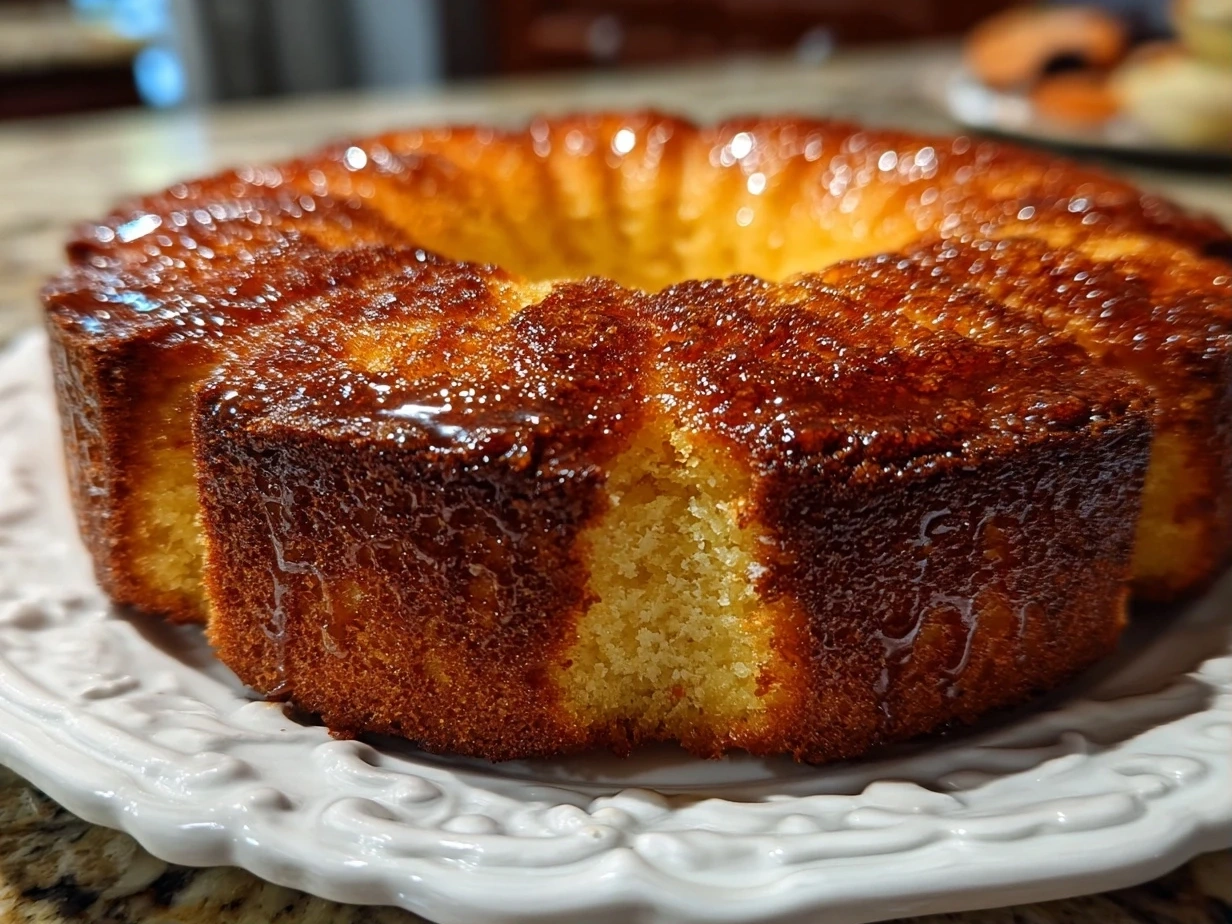
I’ve tried a few variations like lemon zest, almond extract, and a swirl of jam. While I love shaking things up, I keep returning to the classic French butter cake recipe because of its perfect balance—rich but not heavy, tender but with just enough crumb.
I hope you’ll make this French Butter Cake your own, bringing your personal touch to this traditional French dessert. It’s the kind of recipe that welcomes creativity but celebrates simplicity. Baking it with friends, sending a slice wrapped to a neighbor, or slow-morning breakfasts with family—those moments are what make this recipe meaningful.
If you want to dive deeper or try some delightful takes, check out the recipe here on French Butter Cake | 12 Tomatoes and the easy approach from The Café Sucre Farine. For practical tips and kitchen-tested advice, America’s Test Kitchen’s French Butter Cake is a treasure trove.
Give yourself grace as you bake, savor that buttery pound cake aroma, and enjoy the simple pleasure of this timeless French Butter Cake. I can’t wait to hear about your own kitchen stories with it. Happy baking, friend!
French Butter Cake
A rich and buttery French Butter Cake with a tender crumb and a caramelized sugar crust, perfect for a delightful dessert or elegant teatime treat.
- Prep Time: 15 minutes
- Cook Time: 45 minutes
- Total Time: 60 minutes
- Yield: 8 servings
- Category: Dessert
- Method: Baked
- Cuisine: French
Ingredients
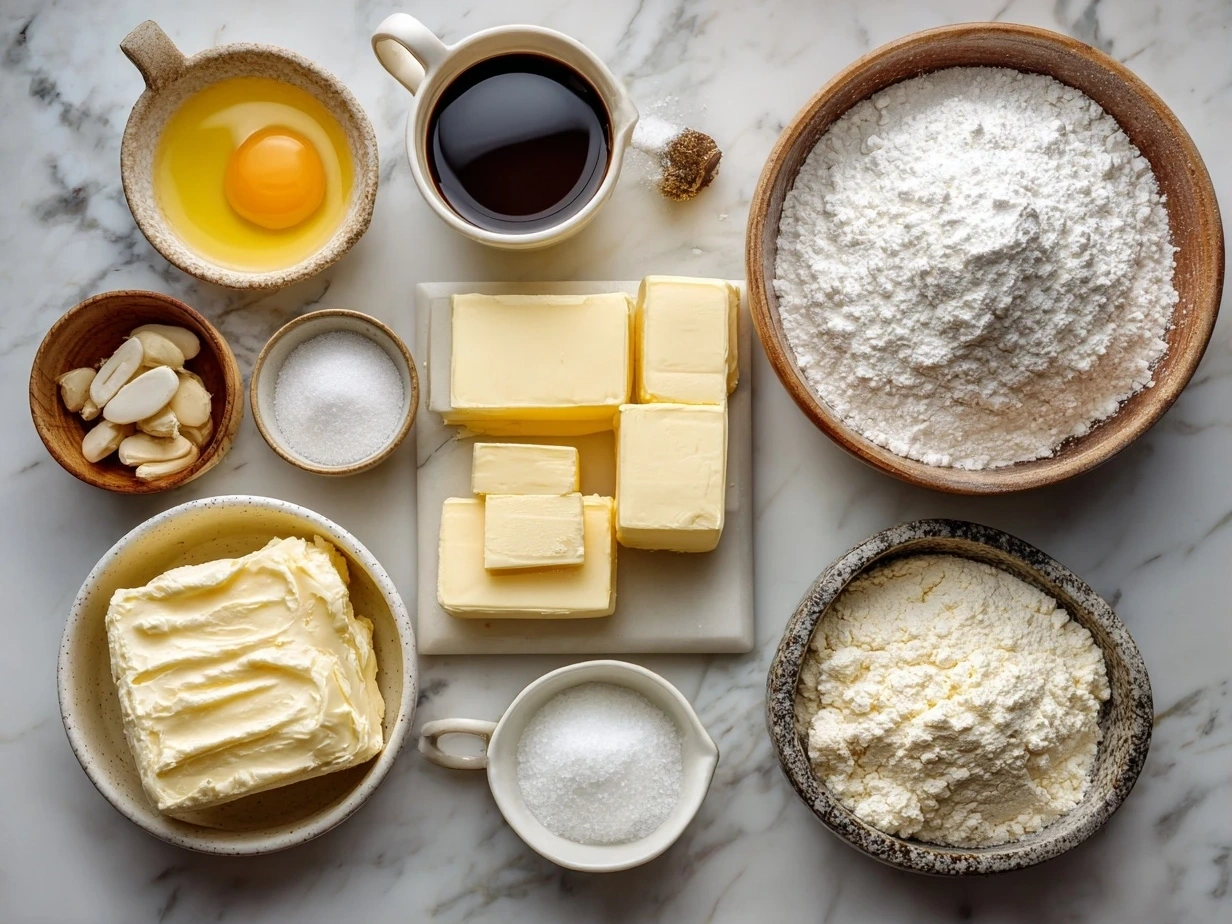
- 1 cup (225g) unsalted butter, softened
- 2/3 cup (135g) granulated sugar
- 1/2 cup (110g) packed light brown sugar
- 3 large eggs
- 2 teaspoons pure vanilla extract
- 2 cups (240g) all-purpose flour
- 1/2 teaspoon baking powder
- 1/2 teaspoon salt
- 1/4 cup (60ml) whole milk
- Extra granulated sugar for topping
Instructions
- Preheat your oven to 350°F (175°C) and grease an 8-inch (20cm) cake pan.
- In a large bowl, beat the softened butter, granulated sugar, and brown sugar together until light and fluffy.
- Add the eggs one at a time, beating well after each addition, then mix in the vanilla extract.
- In a separate bowl, whisk together the flour, baking powder, and salt.
- Gradually add the dry ingredients to the butter mixture, alternating with the milk, beginning and ending with the flour mixture. Mix until just combined.
- Pour the batter into the prepared pan, smoothing the top with a spatula.
- Sprinkle a generous layer of granulated sugar evenly over the batter to create a caramelized crust during baking.
- Bake for 40–45 minutes, or until a toothpick inserted into the center comes out clean and the top is golden and caramelized.
- Allow the cake to cool in the pan for 10 minutes, then invert onto a wire rack to cool completely before serving.
Notes
For a delightful twist, serve the French Butter Cake warm with a scoop of vanilla ice cream or a drizzle of fresh berry compote.